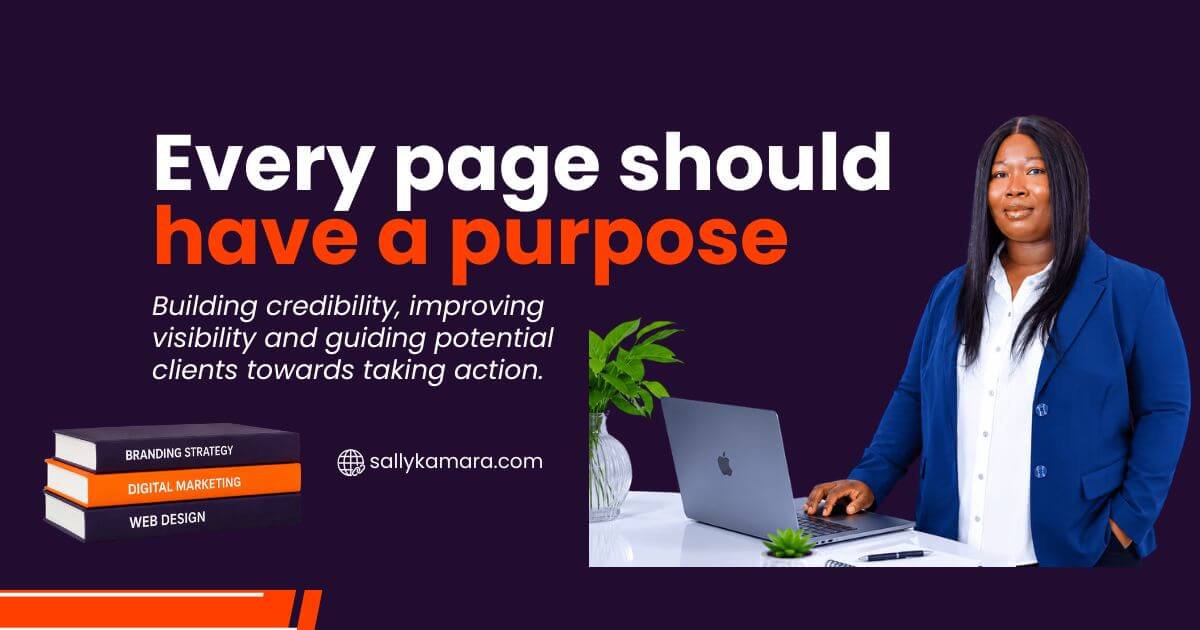
Website Pages That Build Trust, Visibility and guiding potential clients towards taking action
Introduction
A professional website is far more than simply an online presence for your business because, in many cases, it becomes the first interaction potential clients will have with your brand before they ever decide to contact you, enquire about your services, or book a consultation. Whether someone discovers your business through Google search results, LinkedIn, social media platforms, referrals, or word of mouth, your website is often the place where they will begin forming an opinion about your professionalism, credibility, and expertise.
For consultants, healthcare professionals, charities, coaches, and service-based businesses, trust plays a major role in the decision-making process because people want reassurance that they are working with someone reliable, experienced, and capable of delivering results professionally. A poorly structured website can quickly create confusion and reduce confidence, while a strategic and well-organised website can improve visibility online, position your business more professionally, and encourage visitors to take action with greater confidence.
Many businesses focus heavily on visual design alone without paying enough attention to the actual structure and purpose behind each page on the website. However, a successful website should do more than simply look attractive because it should guide visitors naturally through the content, answer important questions, communicate value clearly, and create a smooth experience that encourages potential clients to move forward.
The right website pages, presented in the right way, can significantly improve how your business performs online while also strengthening your authority within your industry and supporting long-term business growth.
Home Page – Create a Strong First Impression
Your homepage is one of the most important pages on your website because it creates the first impression visitors will have of your business, and within only a few seconds people often decide whether your website feels trustworthy, professional, and relevant to what they are searching for online.
A strong homepage should immediately communicate who you are, what your business offers, and who your services are designed for without forcing visitors to search through multiple sections trying to understand your brand. Clear messaging combined with professional visuals, strategic layout design, and easy navigation helps visitors feel more confident from the moment they arrive on your website.
The homepage should include a clear headline that speaks directly to your audience, a short introduction explaining your services, visible calls-to-action encouraging enquiries, and carefully placed trust signals such as testimonials, portfolio previews, certifications, awards, or client reviews that help strengthen credibility naturally throughout the page.
For consultants and service-based professionals, the homepage should also help position your expertise clearly while creating a sense of authority and professionalism that reflects the quality of your services and overall brand identity.
About Page – Build Human Connection and Professional Credibility
The About page is often one of the most visited sections of a professional website because many people want to understand the story, experience, and values behind the business before they feel comfortable making contact or investing in a service.
This page should go beyond simply listing qualifications or work experience because modern audiences are looking for connection, authenticity, and reassurance that they are working with someone who understands their needs professionally. A strong About page allows you to explain your journey, your expertise, your mission, and the reason behind your business while also helping visitors understand the type of clients you support and the value your services provide.
For consultants and personal brands especially, the About page plays an important role in building trust because clients are often investing in the person behind the service as much as the service itself. Sharing your experience professionally while keeping the content approachable can help create stronger connection and improve confidence in your brand.
Adding a professional photograph or personal branding image can also make the website feel more human and approachable while reinforcing your authority and professionalism visually.
Services Page – Clearly Explain Your Expertise and Offerings
Your services page is one of the most important conversion-focused sections of your website because this is where potential clients begin evaluating whether your business can genuinely help solve their problem or support their goals effectively.
Many service-based businesses make the mistake of providing vague descriptions or focusing too heavily on technical details instead of communicating the actual outcomes and benefits clients receive from the service. A strong services page should explain your offerings clearly while helping visitors understand how your expertise can support their specific needs.
Instead of simply listing services, focus on explaining the transformation, value, and experience clients can expect when working with you because people are ultimately looking for solutions, clarity, and results. This section can also include service packages, process explanations, frequently asked questions, timelines, and testimonials that reinforce trust and improve decision-making.
A professionally structured services page should make visitors feel informed, reassured, and confident enough to take the next step without feeling overwhelmed by unnecessary information.
Portfolio or Case Studies Page – Demonstrate Real Results
One of the most effective ways to build trust online is by showing evidence of your work through a portfolio or case studies section because potential clients naturally want reassurance that you have experience delivering professional results successfully.
For website consultants, designers, digital marketers, charities, healthcare professionals, and other service providers, visual proof can be extremely powerful because it allows visitors to see examples of completed projects, branding work, transformations, and client success stories before making an enquiry.
Case studies are particularly effective because they provide more depth and context by explaining the client’s original challenge, the strategy implemented, and the final outcome achieved through the project. This approach positions your business more strategically and professionally compared to simply uploading images without explanation. Regularly updating your portfolio or case studies page also demonstrates that your business is active, growing, and continuing to deliver work consistently for clients.
Testimonials and Reviews – Strengthen Confidence and Credibility
Client testimonials and reviews continue to play a major role in influencing purchasing decisions because people naturally feel more confident working with businesses that already have positive experiences and feedback from other clients.
Including testimonials strategically across your website helps reduce hesitation while reinforcing trust naturally throughout the visitor journey. Google reviews, written testimonials, screenshots of client feedback, and video testimonials can all help strengthen your credibility and reassure potential clients that your business delivers professional service consistently.
Rather than placing all testimonials in a single isolated section, it is often more effective to distribute them naturally throughout your homepage, services page, and portfolio sections where they support the surrounding content and strengthen specific points being discussed.
Authentic reviews help make your website feel more trustworthy, more human, and more credible while also supporting your authority within your industry.
Contact Page – Make Communication Simple and Professional
A professional contact page should make it as easy as possible for visitors to reach your business because complicated or poorly designed contact experiences can discourage potential clients from making enquiries.
Your contact page should include a professional contact form, business email address, phone number, consultation booking links if relevant, and links to your social media platforms where appropriate. The overall layout should remain clean, professional, and easy to navigate so visitors can focus on taking action without unnecessary distractions.
For mobile users especially, clickable phone numbers, responsive forms, and clear contact buttons improve user experience significantly while increasing the chances of enquiries and consultation bookings. Even simple details such as response expectations, office hours, or consultation information can help make the process feel more organised and professional.
Blog or Resources Section – Improve Visibility and Position Yourself as an Authority
A blog or resources section can become one of the most valuable long-term assets on your website because it helps improve SEO visibility while also positioning your business as a knowledgeable and trusted authority within your field.
Publishing educational content regularly allows your website to attract visitors organically through search engines while answering common client questions and demonstrating expertise naturally through valuable information. For consultants and service-based businesses, this can help create stronger authority while supporting content marketing across multiple platforms.
Topics related to website strategy, branding, SEO, digital marketing, business growth, client education, healthcare communication, or charity visibility can all help strengthen your positioning online while also creating opportunities to repurpose content into LinkedIn posts, YouTube videos, newsletters, and social media content.
Over time, a strong blog strategy can transform your website into a central hub for your expertise, helping support long-term visibility and audience growth.
Conclusion
A professional website should do far more than simply exist online because it should communicate trust, strengthen visibility, demonstrate expertise, and guide visitors naturally towards becoming confident clients. For consultants, healthcare professionals, charities, and service-based businesses, having the right website structure can significantly improve how your brand is perceived online while helping potential clients feel more reassured about working with you.
Strategic website pages help visitors understand your expertise clearly, improve user experience, reduce uncertainty, and create stronger opportunities for meaningful enquiries and long-term business growth. As your business evolves, your website should continue evolving alongside your brand while remaining focused on professionalism, clarity, trust, and user experience.
Investing in a well-structured website is not simply about having an online presence because it is about creating a professional digital platform that supports credibility, visibility, authority, and long-term business growth more effectively.
Need Help Attracting Clients Through Your Website?
If you are looking to improve your website structure, strengthen your online presence, and create a professional website that builds trust and generates more client enquiries, Sally Kamara can help.
Work with me:
Apply to Work With Me